

What we study
Research
Six interconnected themes spanning vibrotactile perception, prosthetic feedback, sensory substitution, spatial audio, room acoustics, and human attention — each grounded in formal experiments and informing device design.
Vibrotactile Perception
We map the perceptual limits of touch in response to vibration. Maximum sensitivity at the wrist peaks at 200 Hz on the inner surface; individual thresholds vary enormously, requiring personalised calibration.
Presenting patterns sequentially yields 93% recognition accuracy, versus 26% with simultaneous stimulation.
Key publications
- N. Yeganeh, I. Makarov, Á. Kristjánsson, R. Unnthorsson (2024). Discrimination Accuracy of Sequential Versus Simultaneous Vibrotactile Stimulation on the Forearm. Applied Sciences.
- N. Yeganeh, I. Makarov, R. Unnthorsson, Á. Kristjánsson (2023). Effects of Stimulus Frequency and Location on Vibrotactile Discrimination Performance Using Voice Coil Actuators on the Forearm. Actuators.
- E. A. Ævarsson, Þ. Ásgeirsdóttir, F. Pind, Á. Kristjánsson, R. Unnthorsson (2022). Vibrotactile Threshold Measurements at the Wrist Using Parallel Vibration Actuators. ACM Transactions on Applied Perception.
Prosthetic Haptic Feedback
We design forearm-based vibrotactile systems that route signals from prosthetic sensors to a wearable sleeve, restoring a proxy sense of foot position for transfemoral amputees. Sequential patterns achieve 72% recognition accuracy — nearly double the 43% with simultaneous patterns.
Developed with Össur ehf. and Landspítali.
Key publications
- M. Karimi, S. Brynjólfsson, K. Briem, Á. Kristjánsson, R. Unnthorsson (2026). Perceptual Design and Evaluation of a Forearm-Based Vibrotactile Interface for Transfemoral Prosthetic Feedback. Biomimetics.
- M. Karimi, N. Yeganeh, I. Makarov, A. Ö. Sverrisson, K. F. Gunnarsson, K. Briem, S. Brynjólfsson, Á. Kristjánsson, R. Unnthorsson (2025). Haptic Feedback Systems for Lower-Limb Prosthetic Applications: A Review of System Design, User Experience, and Clinical Insights. Bioengineering.
Sensory Substitution
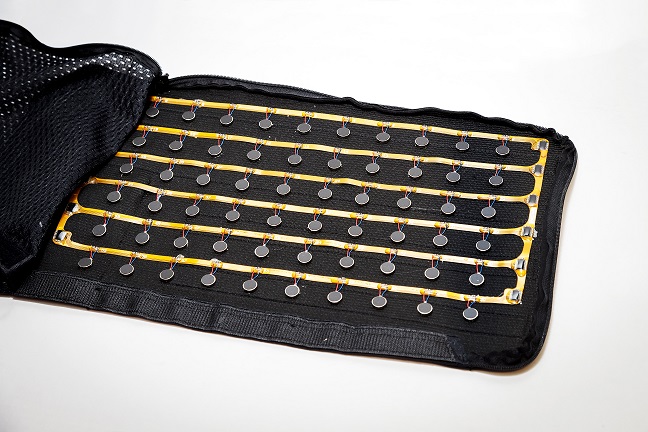
We build vibrotactile and audio-haptic devices that translate visual or auditory information into touch, enabling impaired users to access information they would otherwise miss.
Our cochlear implant project encodes musical rhythms into tactile patterns, reaching 500,000+ CI users worldwide.
Key publications
- Á. Kristjánsson, I. Makarov, N. Yeganeh, R. Unnthorsson (2026). Sensory Substitution Through Vibrotactile Stimulation. Signals and Communication Technology · Springer.
- N. Yeganeh, I. Makarov, S. S. S. Thors, H. Ásgeirsson, Á. Kristjánsson, R. Unnþórsson (2022). Vibrotactile Sleeve to Improve Music Enjoyment of Cochlear Implant Users. ASME IMECE · Acoustics, Vibration, and Phononics.
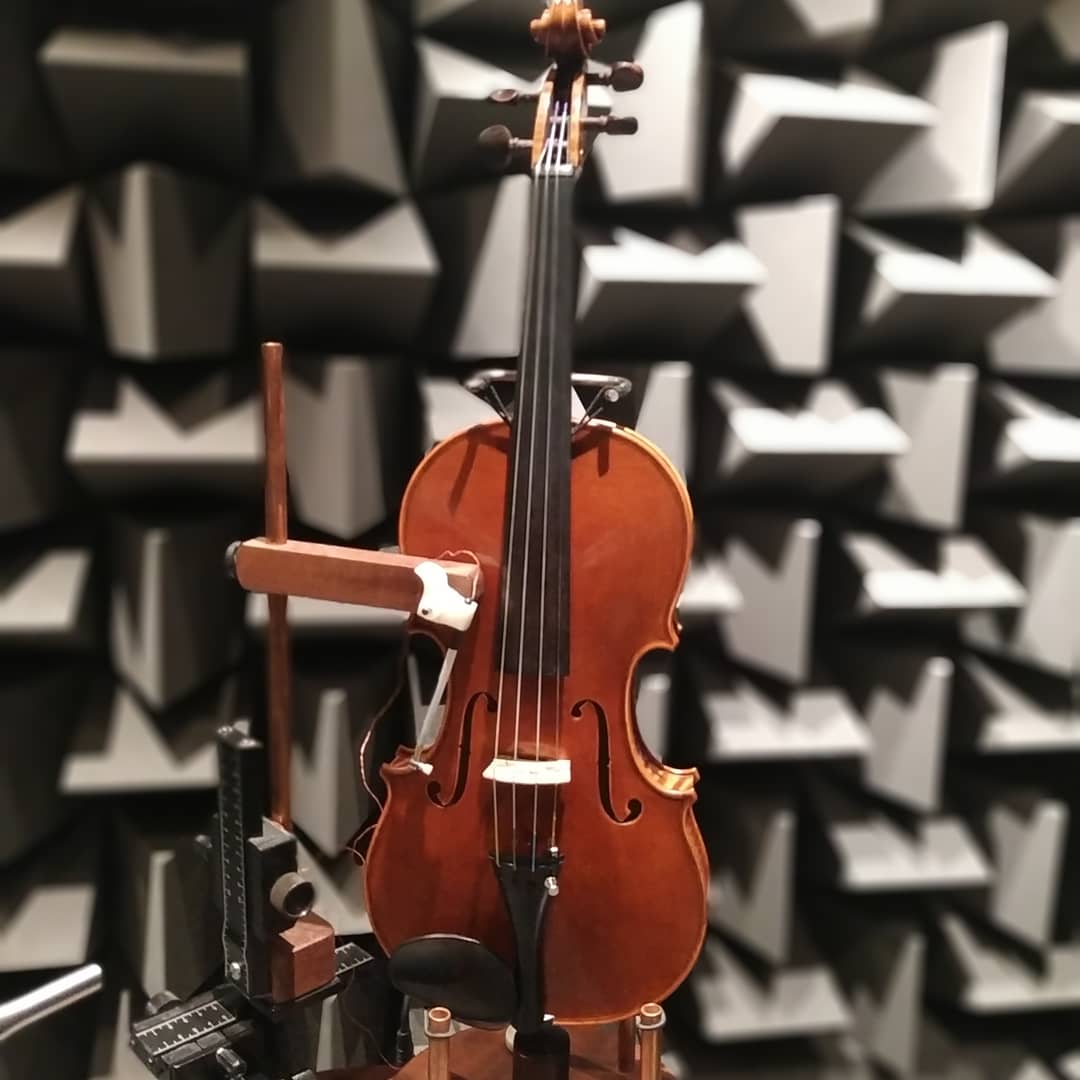
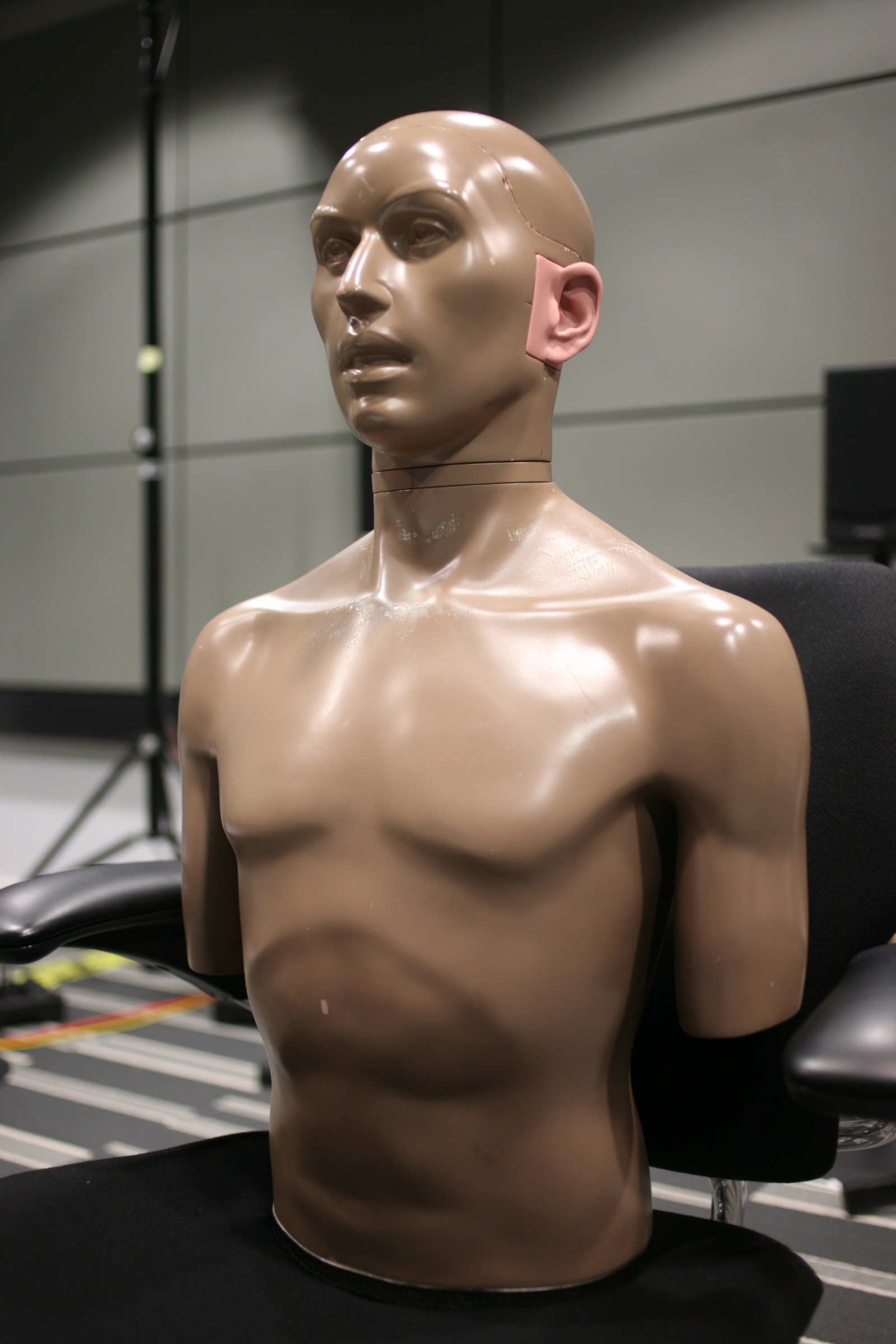
Spatial Audio & HRTFs
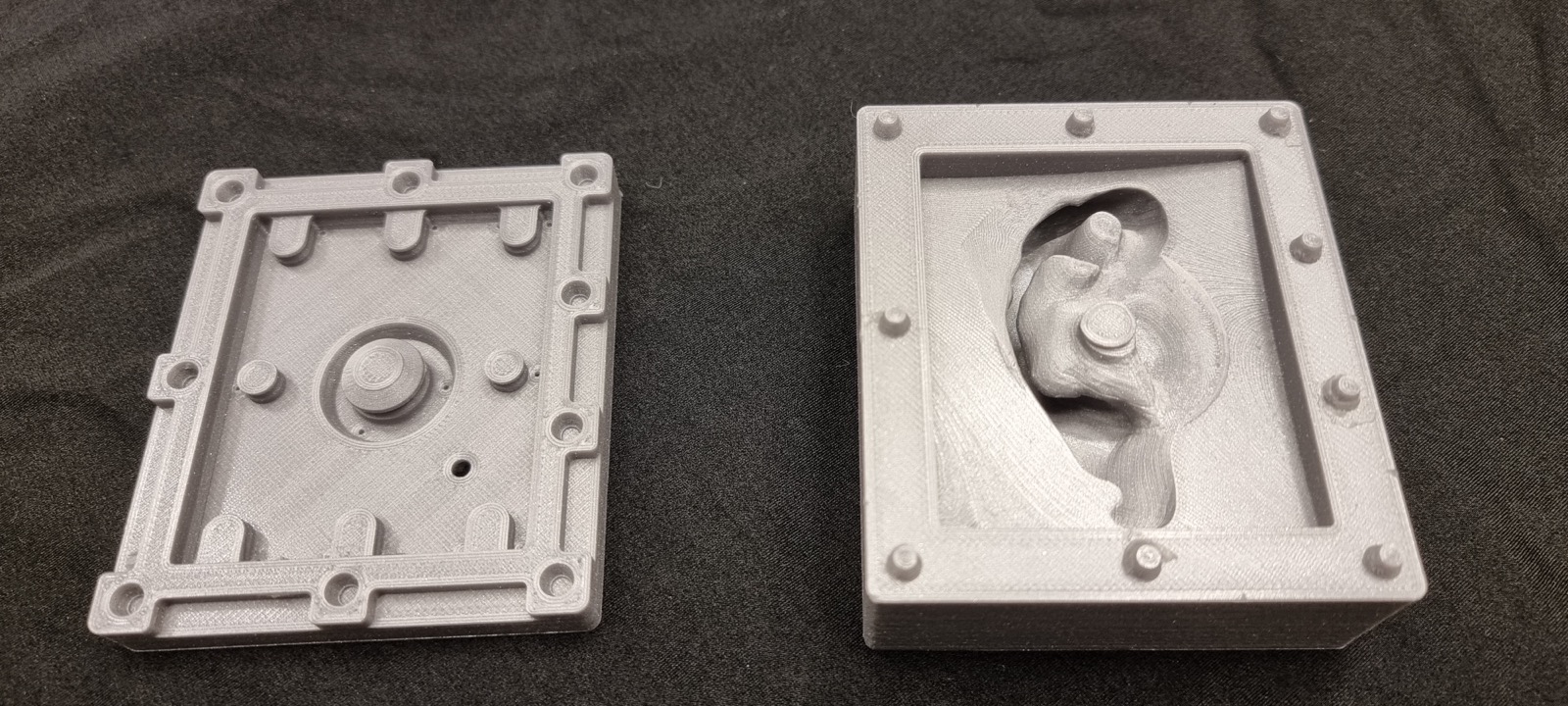
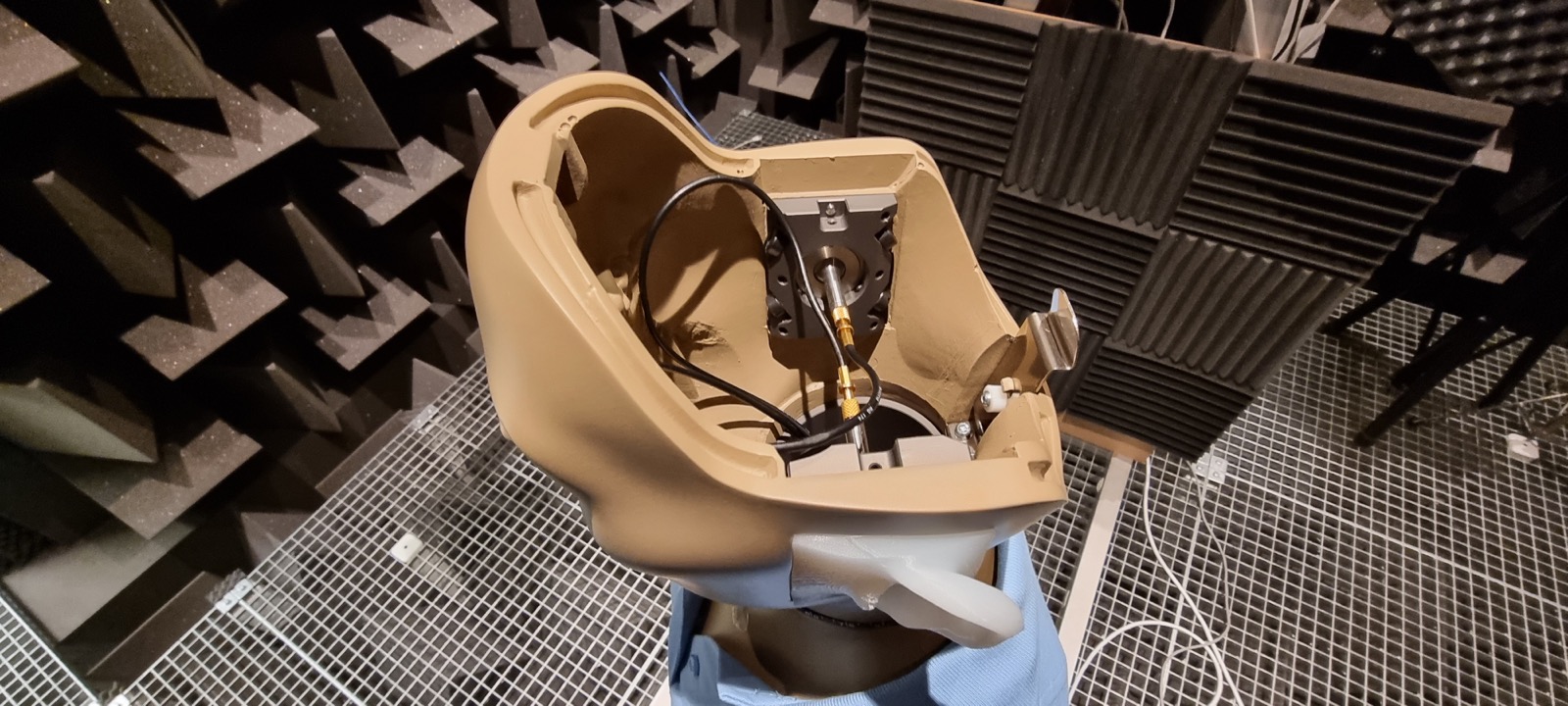
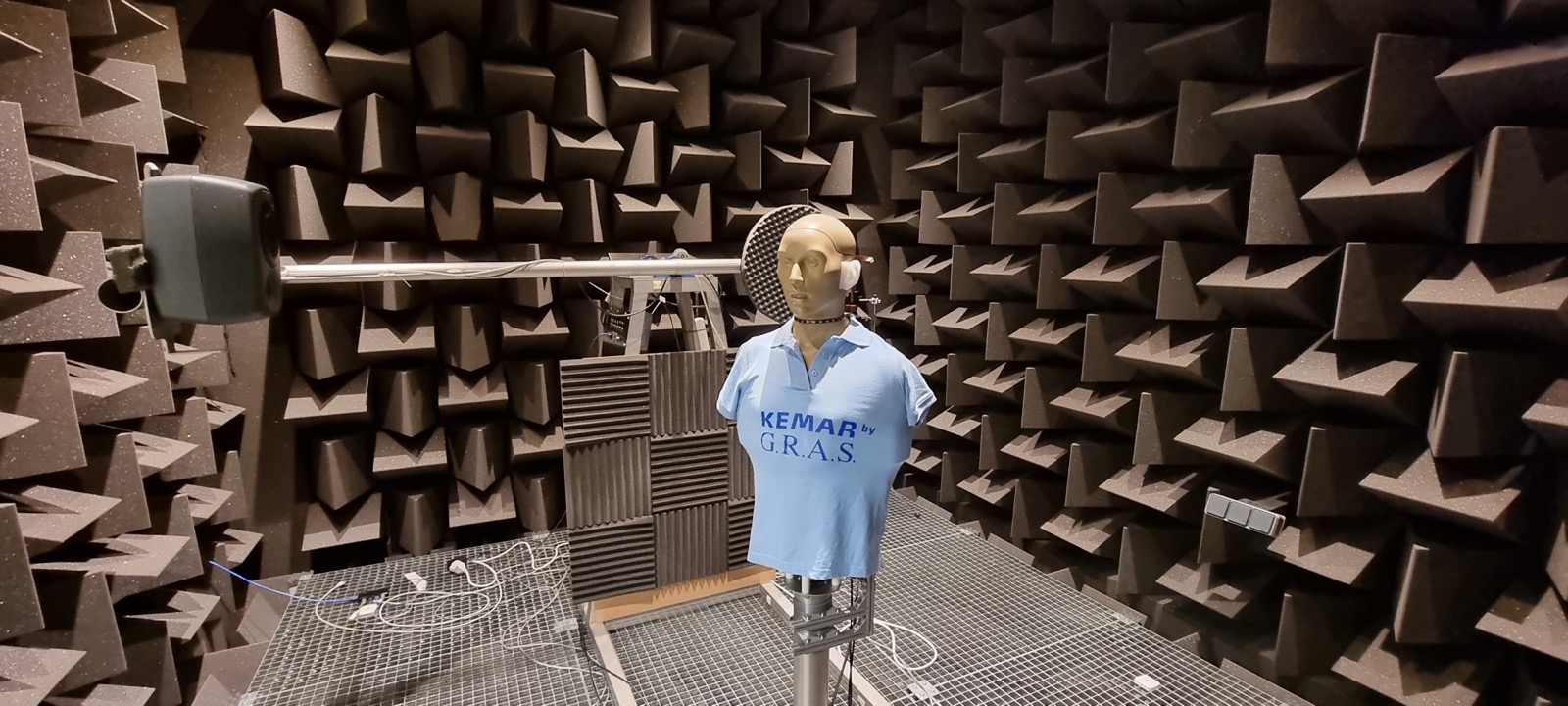
We manufacture silicone pinna replicas with systematically varied geometry, altering one feature at a time to isolate its acoustic contribution. We also train machine learning models to predict HRTFs from ear photographs.
Our open Viking HRTF Dataset v2 — 1513 positions, 20 pinna replicas — is used by researchers worldwide.
Key publications
- E. M. Sumner, M. Riedel, R. Unnthorsson (2025). Design and Manufacture of Synthetic Pinnæ for Studying Head-Related Transfer Functions (HRTFs). Cogent Engineering.
- R. Fernandez Martinez, P. Jimbert, E. M. Sumner, M. Riedel, R. Unnthorsson (2023). Prediction of Head Related Transfer Functions Using Machine Learning Approaches. Acoustics.
- S. Spagnol, R. Miccini, R. Unnthorsson (2020). The Viking HRTF Dataset v2. Zenodo · Dataset.
Room Acoustics Simulation
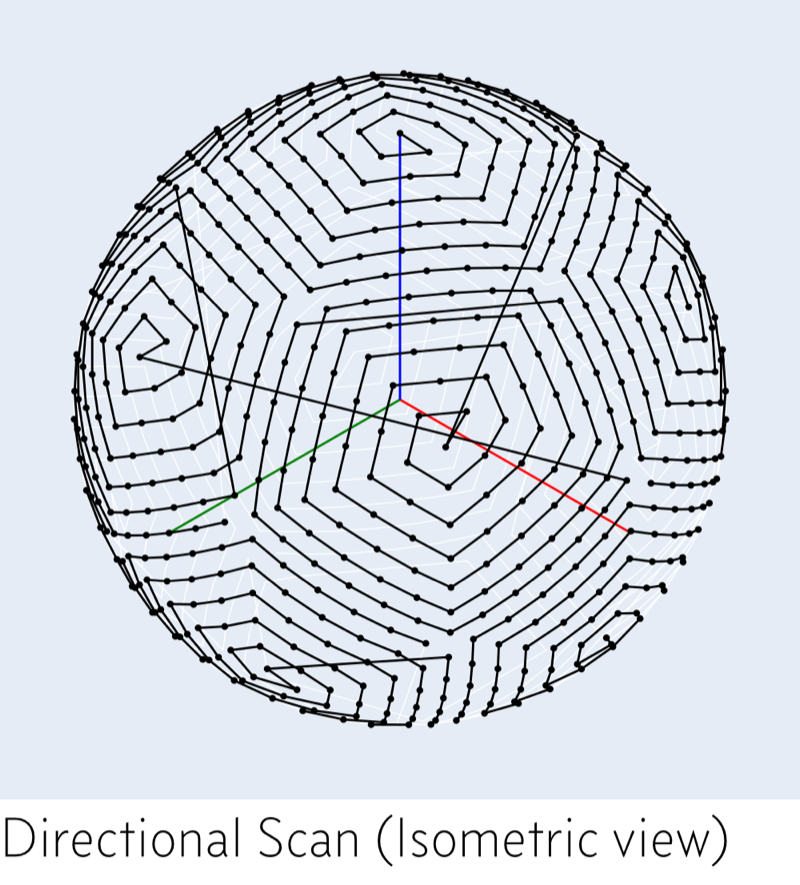
Our structure-preserving model order reduction achieves a 100× speedup in wave-based acoustic simulation while maintaining numerical stability at complex frequency-dependent boundaries.
Developed with Treble Technologies. Funded by RANNÍS.
Key publications
- S. Bonthu, H. Sampedro Llopis, S. Thrastarson, F. Pind, R. Unnthorsson (2026). Stable Model Reduction for Time-Domain Room Acoustics: A Structure-Preserving Formulation for Complex Boundaries. Int. J. Numerical Methods in Engineering.
Attention, Foraging & Haptic Illusions
We study how synchrony, cross-modal cues, and vibrotactile signals guide human multi-target search. Visual synchrony alone dramatically cuts foraging time; a wrist vibration can be nearly as effective as an auditory cue.
We have also documented the haptic intensity order illusion: strong-then-weak vibration order makes the second stimulus feel displaced — overriding the actual direction.
Key publications
- I. Makarov, R. Unnthorsson, Á. Kristjánsson, I. M. Thornton (2024). The Effects of Visual and Auditory Synchrony on Human Foraging. Attention, Perception, & Psychophysics.
- R. Hoffmann, M. A. B. Brinkhuis, R. Unnthorsson, Á. Kristjánsson (2019). The Intensity Order Illusion: Temporal Order of Different Vibrotactile Intensity Causes Systematic Localization Errors. Journal of Neurophysiology.